What Is Gingivitis and Why Does It Cause Bleeding Gums?
Gingivitis is gum inflammation caused by plaque, a sticky film of bacteria. When you skip flossing or rush through brushing, plaque builds up along the gumline. Over time, it irritates the gums, making them red, swollen, and prone to bleeding.
Here’s what happens in simple terms:
- Plaque releases toxins.
- These toxins inflame your gums.
- Inflamed gums become sensitive and bleed easily.
When gingivitis isn’t addressed, it can develop into periodontitis, which affects deeper gum layers and may cause bone loss.
But why does this matter?
Gum health isn’t just about teeth. It’s connected to your heart, lungs, and even blood sugar control. Gingivitis may seem small, but its impact can be big.
Early Signs You Shouldn’t Ignore
Gingivitis often starts silently. You might not feel pain at first, but your gums are giving you signals. Early detection allows for simpler treatment and reduces the risk of long-term damage.
Look out for:
- Red or puffy gums
- Gums that bleed when brushing or flossing
- Persistent bad breath
- Tenderness along the gum line
- Gum recession that reveals the roots or makes teeth appear longer
If you notice any of these, it’s time to act. Early care makes a big difference.
How to Get Rid of Gingivitis?
Beating gingivitis starts at home. Your daily habits matter the most.
Here’s how you can fight it off:
1. Brush Correctly
- Use a soft-bristled toothbrush.
- Brush for two minutes twice a day.
- Aim the bristles at a 45-degree angle to your gums.
- Replace your toothbrush every 3-4 months.
2. Floss Daily
Flossing removes plaque from places your toothbrush can’t reach. Don’t skip this step. Bleeding gums while flossing is a sign that they need more care, not less.
3. Rinse with Antimicrobial Mouthwash
Choose a mouthwash that kills bacteria and reduces plaque. This gives your gums extra protection.
4. Quit Tobacco
Smoking weakens your gums. It reduces blood flow and slows healing. Quitting improves gum health and lowers your risk of gum disease.
5. Eat a Balanced Diet
Crunchy fruits and veggies help clean your teeth. Vitamin C boosts gum healing. Avoid sugary snacks that feed harmful bacteria.
If home care doesn’t improve your gums in a week or two, it’s time to visit a
dental clinic in Calgary for professional help.
Professional Treatments for Gingivitis and Gum Health
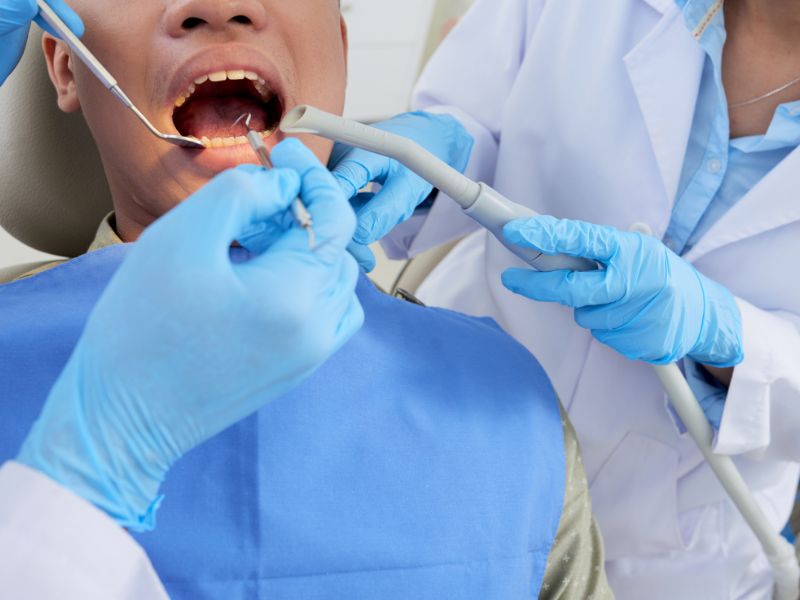
Sometimes, brushing and flossing aren’t enough. Professional dental care is essential to remove hardened plaque, known as tartar.
Here’s how dental professionals treat gingivitis:
1. Professional Cleaning (Scaling and Polishing)
- Removes bacterial plaque and tartar from teeth and below the gumline.
- Smooth tooth surfaces to make it harder for plaque to stick.
2. Root Planing
A deeper cleaning that smooths root surfaces, helping gums reattach to teeth. It’s done under local anesthesia for comfort.
3. Personalized Oral Hygiene Plan
Your dentist will guide you on brushing and flossing techniques tailored to your needs. They may also recommend specific tools like interdental brushes.
4. Regular Check-ups
Routine exams help track your progress and catch issues early. Consistent visits to the clinic ensure your gums stay in top shape.
If you’ve had gum issues before, you might need ongoing
periodontal maintenance in Calgary to keep things under control. This involves more frequent cleanings and close monitoring.
Tips to Prevent Gingivitis and Maintain Healthy Gums
Prevention is easier than a cure. Once your gums are healthy again, protect them with these daily habits:
Daily Care Checklist
- Cleaning your teeth two times a day with fluoride toothpaste helps maintain healthy enamel and keeps plaque under control.
- Floss every day to clean between teeth where your toothbrush can’t reach and prevent gum irritation.
- Rinse with an antimicrobial mouthwash after eating to reduce bacteria and support fresher breath.
- Sip water regularly during the day to help clear away food debris and keep your mouth hydrated.
- Chewing sugar-free gum encourages saliva flow, which helps wash away acids and shields your tooth enamel.
Lifestyle Habits That Help
- Avoid tobacco in any form to reduce your risk of oral cancer and delayed healing after dental procedures.
- Choose meals that include fruits, vegetables, and lean protein to help maintain strong teeth and support gum health.
- Cut back on snacks high in sugar or starch because they create conditions that lead to tooth decay.
- Keep stress under control since it can make it harder for your body to fight off oral health problems.
Don’t Skip Dental Visits
Even if your bleeding gums feel fine, regular dental visits are key. Early signs of gingivitis are subtle. Your
dental clinic near you can spot trouble before you notice symptoms.
Final Thoughts
Protecting your gums starts with simple, consistent care and trusted professional support. For guidance and tailored treatments, visit Renew Dental Family Dentistry. Don’t wait for symptoms to worsen—schedule your appointment today. A healthy smile reflects a healthy you. Take the first step toward lasting gum health and enjoy the confidence of strong, healthy teeth.
Find our dental clinic quickly on
Google Maps and get directions in just one click. 📍