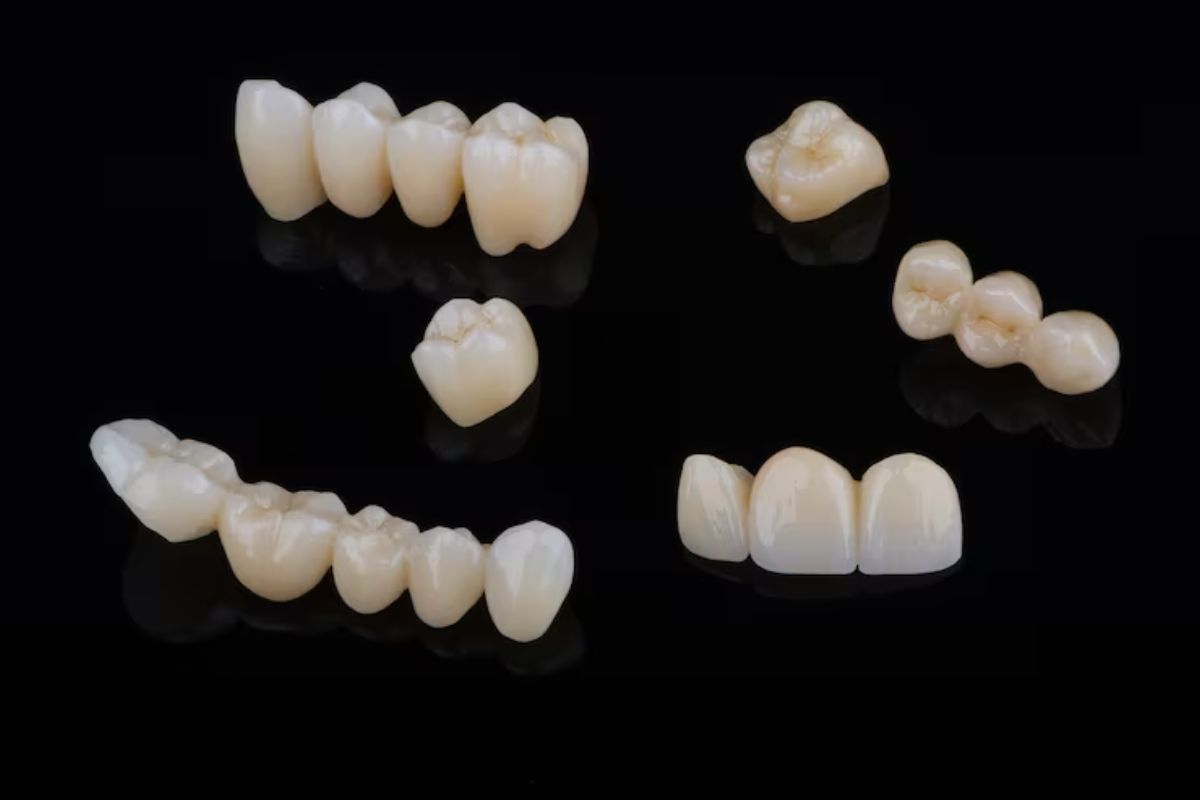
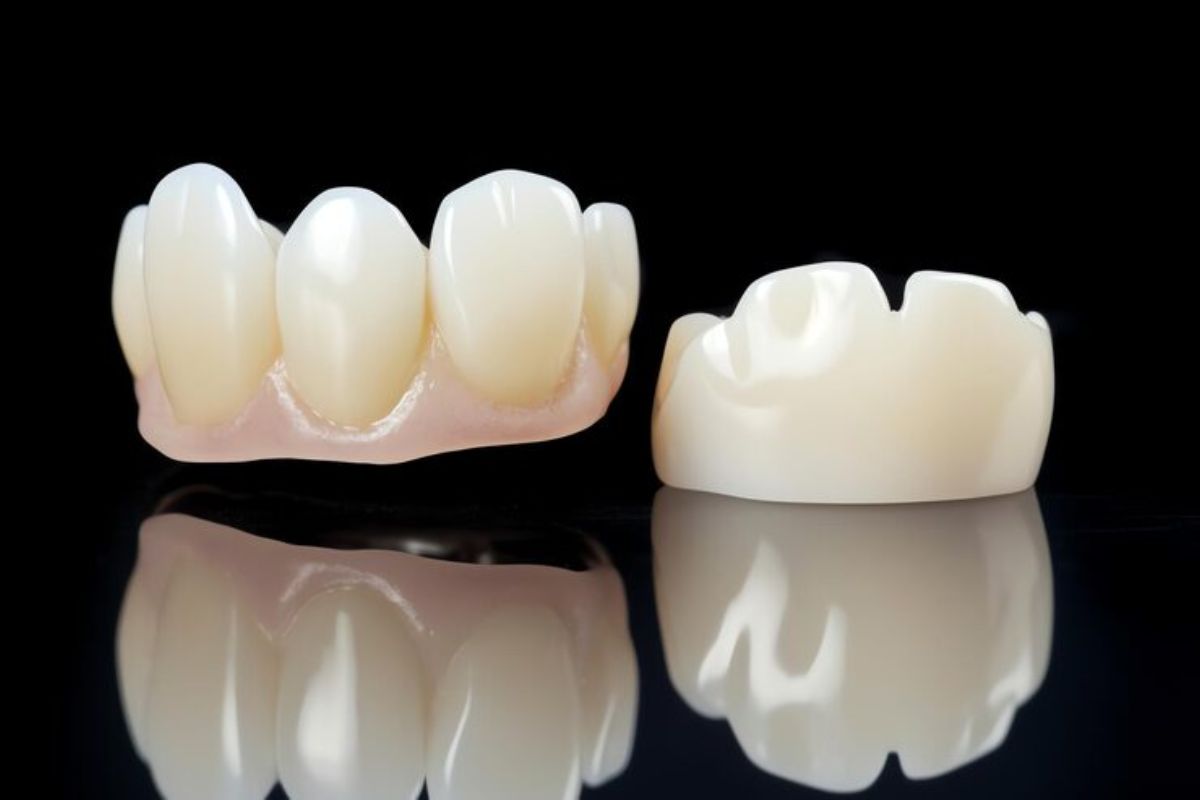
A dental crown is a custom-made restoration that fits over a damaged tooth to restore its original shape, size, and strength. You generally know you need a crown when a tooth is too weak for a simple filling or has suffered significant structural damage that puts it at risk of breaking. The dental crowns near you act as a protective “cap,” completely encasing the visible portion of the tooth to ensure you can chew and smile without pain.
The Primary Reasons for a Dental Restoration
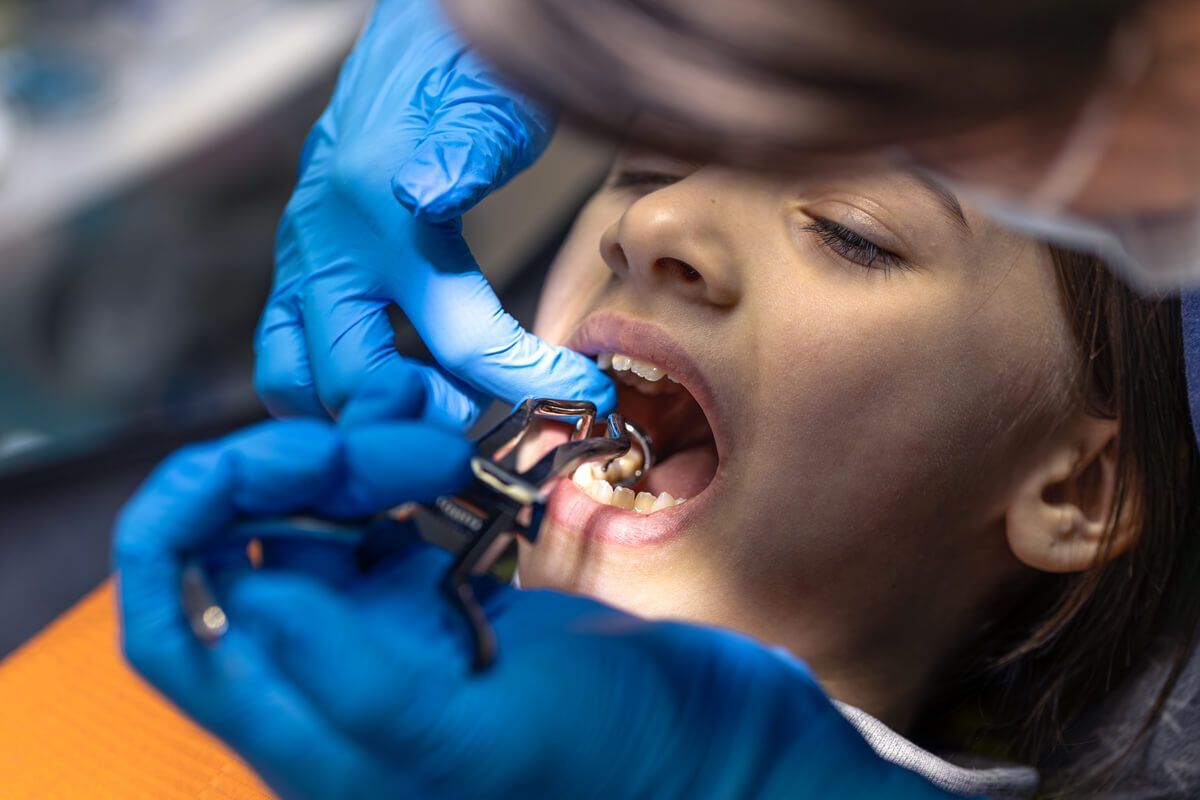
While many people think of dental work as purely cosmetic, a crown is often a functional necessity. If you have a large cavity that has taken up more than half the width of the tooth, the remaining structure becomes brittle. In these cases, a standard filling won’t provide enough support, and the tooth could split under the pressure of eating. Understanding how do you know when you need a dental crown is the first step in saving a tooth that might otherwise require extraction.
Another common situation is that of teeth that have undergone a root canal. A tooth can fracture over time after a root canal—it has lost its blood supply, which makes it weak. So that the tooth remains intact, a cover is placed on top of the tooth. If you are searching for dental crowns, you will likely find that this procedure is the standard of care for long-term tooth preservation.
Signs Your Tooth Might Be Struggling
It isn’t always obvious to the naked eye when a tooth is failing. However, your body often sends signals that something is wrong. If you experience sharp pain when biting down on certain foods, it could indicate a “greenstick” fracture—a small crack that hasn’t fully broken the tooth yet but is deep enough to cause sensitivity.
| Common Symptom | What It Might Mean | Potential Solution |
| Sharp Pain on Release | A hairline crack in the enamel | A crown to hold the tooth together |
| Gray or Dark Discoloration | Internal damage or an old, leaking filling | A crown to restore strength and color |
| Food Getting Stuck | A gap caused by a broken tooth wall | A crown to close the space and protect the gum |
| Worn Down Edges | Excessive grinding (bruxism) | A crown to restore tooth height |
In the middle of your search for a dentist in Signal Hill, you may realize that these symptoms are more than just a nuisance. They are early warning signs that the internal pulp of your tooth is at risk. Addressing these issues early can prevent the need for more invasive surgeries later on.
What to Expect During the Procedure
Modern dental technology has made the process of getting a crown smoother and more comfortable than ever before. Generally, the process is completed in two separate visits. During the first appointment, the tooth is gently reshaped to make room for the crown. A highly accurate mould or digital scan is then taken to ensure the final product fits perfectly against your neighbouring teeth.
While the permanent version is being crafted in a specialized lab, a temporary cap is placed over your tooth. This allows you to eat and speak normally while you wait. When you return to see a dentist near you, the temporary is removed, and the permanent restoration is bonded into place. The result is a tooth that looks, feels, and functions exactly like a natural part of your smile.
Caring for Your New Smile
A high-quality crown can last many years, but its lifespan depends heavily on how well you care for your gums. Since the crown is attached to a natural tooth base, that base is still susceptible to decay at the gum line. Daily flossing is the most important habit you can adopt to keep the edges of the restoration clean and free of bacteria.
It is also wise to avoid using your teeth as tools. Biting into ice, opening plastic packaging with your teeth, or chewing on hard candy can chip the porcelain, just as it would chip natural enamel. Regular professional cleanings ensure that any minor issues are caught early before they become major problems.
Reclaiming Your Confidence and Comfort
When you invest in a dental restoration, you aren’t just fixing a single tooth. You’re protecting your bite and making sure that your jaw stays in line. When one tooth becomes weak, the rest of your mouth has to work harder to compensate for the loss of function, leading to uneven wear and tear and muscle tension. By choosing to reinforce an impaired tooth now, you’ll maintain a healthy smile as you get older.
Our dentists and staff strive to provide personalized care at Renew Dental. Our staff recognizes that everyone has their own unique issues. We take the time to listen and provide our patients with the best possible options for long-term success. Our techniques will ensure your treatment is as effective and painless as possible.
If you feel it’s time to give your smile the extra support it deserves, we would love to help you explore your options in a relaxed, professional setting.
Frequently Asked Questions
Does it hurt to get a crown?
The area is thoroughly numbed with local anesthesia before any work begins, so you should feel no pain during the preparation. Most patients report that the sensation is very similar to getting a standard filling.
How long do dental crowns usually last?
On average, a crown lasts between 10 and 15 years. However, with excellent oral hygiene and regular dental check-ups, many patients find their crowns remain in great condition for two decades or more.
Can a crown be placed on a front tooth?
Yes. Modern crowns are made from high-quality porcelain or ceramic that can be matched exactly to the shade and translucency of your natural teeth, making them virtually indistinguishable from the rest of your smile.
Is there a difference between a crown and a cap?
No, they are two names for the same thing. “Cap” is a more traditional term, while “crown” is the modern clinical term used by dental professionals today. Both refer to a restoration that covers the entire visible part of the tooth.