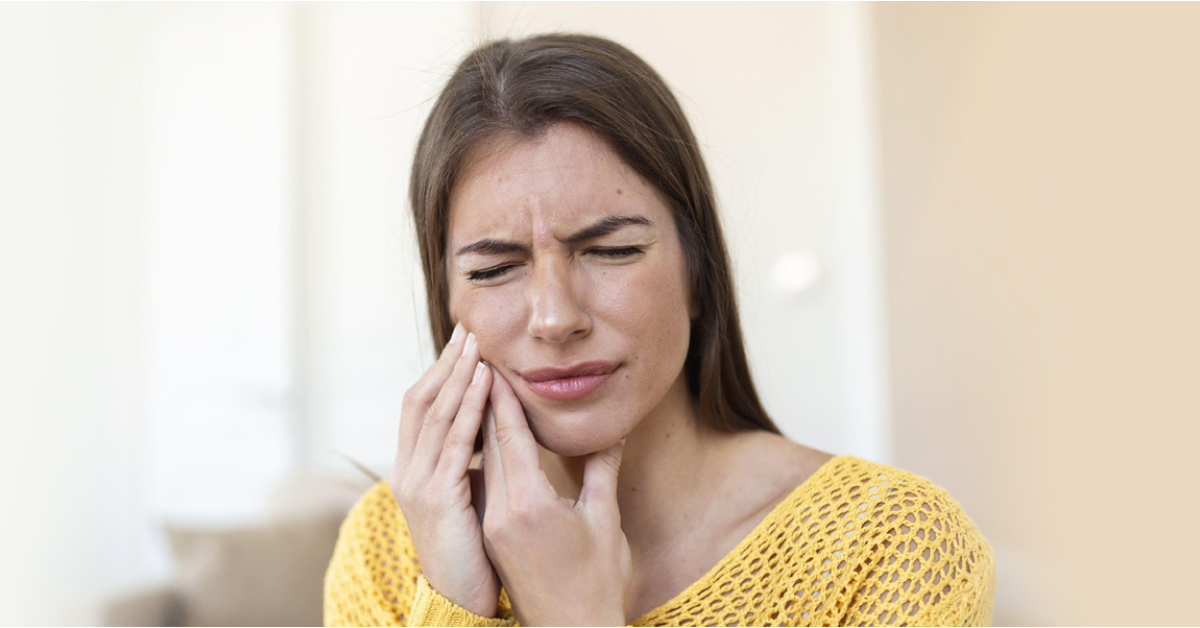
If you’re searching for long-term relief, seeing a qualified dentist in Calgary is often the right first step. A skilled provider can evaluate your symptoms, pinpoint the source of the discomfort, and recommend targeted solutions such as TMJ treatment when appropriate.
Let’s explore what could be behind your jaw pain and what you can do to manage it effectively.
Common Causes of Jaw Pain on One Side
Not all jaw pain is the same. When the discomfort is isolated to one side, it often narrows down the possible causes. Here are some of the most common ones:- Temporomandibular Joint Disorders (TMD): TMD involves issues with the joint that links your jawbone to the skull. The discomfort may extend to areas like the ear, temple, or neck, and typically intensifies during actions like chewing or yawning. It’s frequently triggered by stress, teeth grinding (bruxism), or misaligned bites.
- Dental Infections or Abscesses: A deep cavity, cracked tooth, or gum infection can lead to localized pain on one side of the jaw. If accompanied by swelling, bad breath, or fever, a dental abscess may be the culprit.
- Trauma or Injury: Any direct impact to the jaw or face, even one that occurred weeks ago, can cause ongoing discomfort. A minor fracture or dislocation might not always be obvious without imaging.
- Sinus Pressure: Sinus infections can mimic jaw pain, especially in the upper jaw, where sinus cavities are close to dental roots. This type of discomfort often fluctuates with head position or changes in pressure.
- Tooth Grinding or Clenching: Many people unknowingly clench their jaw during sleep or high-stress situations. Over time, this can wear down teeth and overwork jaw muscles, leading to one-sided tension and pain.
Signs Your Jaw Pain May Be Serious
Jaw discomfort isn’t something you should ignore, particularly when it’s persistent or worsening. Watch for these caution signs that indicate it’s time to take action:- Pain that disrupts your sleep or daily routine
- Clicking, popping, or locking when opening or closing your mouth
- Swelling or tenderness in the jaw area
- Pain that radiates to the neck, ear, or shoulders
- Headaches that seem to originate near the jaw
- Difficulty chewing or biting down evenly
When to See a Dentist?
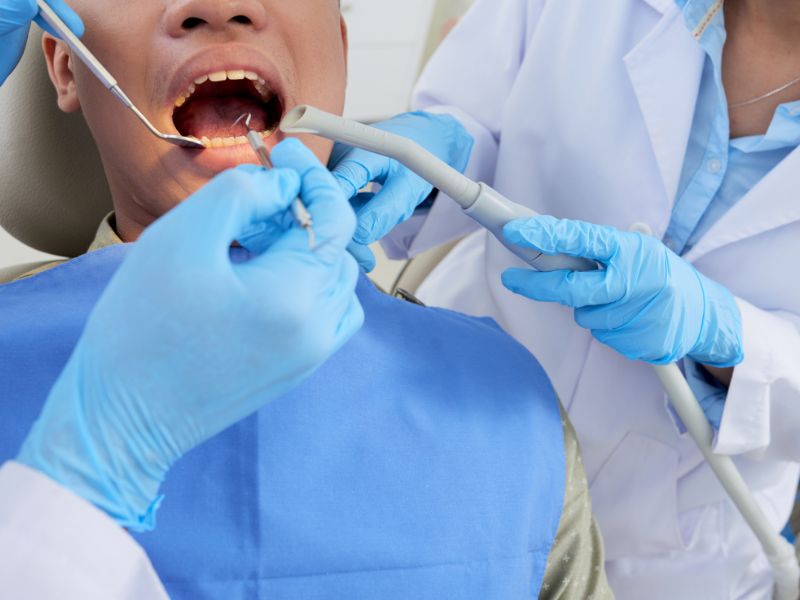
Mild jaw discomfort may resolve on its own with rest and at-home care, but ongoing or worsening pain warrants attention from a professional. A comprehensive dental exam can help determine if your pain stems from a dental infection, joint disorder, or alignment issue. If TMJ dysfunction is suspected, your provider may recommend a personalized TMJ treatment in Calgary that could include a night guard, bite adjustment, muscle therapy, or, in some cases, more advanced medical interventions like Botox injections or oral appliances. At Renew Dental Family Dentistry, patients receive thorough assessments and conservative, effective treatment options tailored to the root cause, not just the symptoms.Tips to Prevent Jaw Pain from Returning
Once your jaw pain has been addressed, prevention becomes the next priority. Here are practical steps you can take to reduce the chances of it coming back:- Practice Stress Management: Since clenching and grinding are often stress-related, mindfulness, breathing exercises, or physical activity can help ease jaw tension.
- Avoid Chewing Gum or Tough Foods: Chewy or hard foods can strain the jaw joint and muscles. Opt for softer textures during flare-ups.
- Correct Poor Posture: Slouching or looking down at screens for long periods can throw off your neck and jaw alignment. Practice good ergonomic habits to maintain balance.
- Use a Night Guard if Recommended: If you’re a night-time grinder or clencher, a custom-fit oral appliance can protect your teeth and ease jaw stress.
- Stay Consistent with Dental Visits: Regular check-ups can catch early signs of grinding, joint dysfunction, or bite misalignment before they cause more serious issues.