Replacing a missing tooth is a vital step for your health. To stay secure, a dental implant needs a solid foundation. However, if a tooth has been missing for a while, the jawbone can shrink.
Without enough bone, the implant won’t have anything to hold onto. A bone graft fixes this by rebuilding the area, ensuring your new smile is stable and permanent.
If you are searching for
dental implants near you, a graft is a common, proactive step to ensure your treatment lasts a lifetime.
How the Jawbone Changes Over Time
Your jawbone needs the constant “workout” of chewing to stay thick and healthy. When a tooth is lost, the bone in that spot stops getting the stimulation it needs.
Over time, the body begins to reabsorb that bone because it thinks it isn’t being used anymore.
- Bone Loss: Most bone loss happens in the first year after losing a tooth.
- Gum Recession: As the bone shrinks, the gums over it also start to pull back.
- Facial Shape: If too much bone is lost, it can make the face look “sunken” or aged.
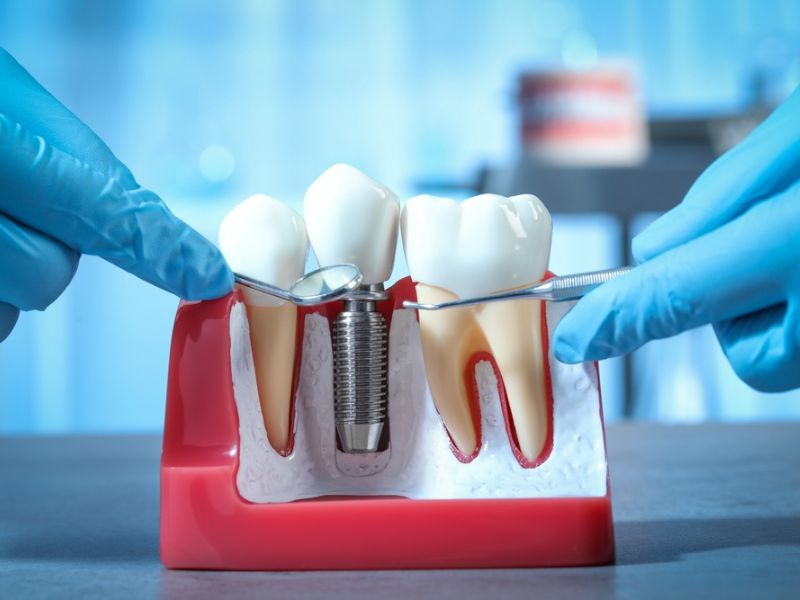
By adding a graft, we can stop this process and even reverse it. The graft material acts as a scaffold that tells your body to grow new, natural bone in that specific spot.
When is a Graft Necessary for Success?
Not everyone who needs a new tooth will need a graft, but many do. A
dentist in Calgary will use 3D X-rays to measure exactly how much bone you have left.
If the bone is too thin or too soft, the surgery cannot move forward safely.
- Long-term Missing Teeth: If the gap has been there for years, a graft is almost always needed.
- Gum Disease: Infections can eat away at the bone, leaving it too weak for a post.
- Sinus Location: In the upper jaw, the sinuses might be too close to the mouth, requiring a “lift” with extra bone.
- Physical Trauma: If a tooth was knocked out by an injury, the bone around it might be damaged.
Comparing the Two Procedures
| Feature |
Bone Grafting |
Traditional Surgery |
| Purpose |
To build up thin or weak bone |
To place the post in existing bone |
| Healing Time |
3 to 6 months usually |
Immediate or 3 months |
| Success Rate |
Very high with proper care |
High if bone is thick |
| Complexity |
Adds one extra step |
Standard procedure |
Common Materials Used for Grafting
Patients often wonder where the “new bone” comes from. There are a few different options, and your
dentist near you will help you pick the one that fits your health needs best.
- Autograft: Bone taken from another part of your own body, like your chin or hip.
- Allograft: Specially cleaned and safe bone from a human donor bank.
- Xenograft: Bone taken from an animal source, usually a cow.
- Synthetic: Man-made materials that help your own bone grow.
What Does the Recovery Feel Like?
Many people worry that a graft will be painful, but it is actually a very gentle procedure.
Most patients say it feels similar to having a tooth pulled. You might have some slight swelling for a few days. You will need to eat soft foods and avoid drinking through a straw while the area heals.
The most important part is patience; your body needs time to turn that graft material into a strong, living bone before the final tooth can be placed.
The Long-Term Benefits of Grafting
While a bone graft adds a bit of time to your journey, the benefits are worth it. It doesn’t just help with the new tooth; it protects your whole mouth.
By keeping your jawbone thick, you are protecting the roots of the healthy teeth next to the gap. It also keeps your face looking full and youthful. It is a proactive way to make sure your mouth stays functional and beautiful as you get older.
A Solid Foundation for a Healthy Smile
Choosing to fix your smile is a great investment. While the idea of a bone graft might seem complex, it is a safe and common way to make sure your new teeth last.
By building a strong foundation now, you avoid problems later. Our team is here to guide you and make sure you feel comfortable.
At Renew Dental, we are dedicated to helping you achieve a strong, healthy, and beautiful smile.
Ready to find out if you have enough bone for a permanent new tooth? Contact Renew Dental today to book your consultation and start your journey!
Frequently Asked Questions
Does a bone graft hurt during the surgery?
The area is completely numbed with local freezing, so you won’t feel any pain while the dentist works.
How long do I have to wait after a graft?
It usually takes 3 to 6 months for the graft to fuse with your natural bone and become strong enough.
Can a graft fail?
Failure is very rare, but things like smoking or poor cleaning can stop the bone from healing correctly.
Is bone grafting expensive?
While it adds a small cost, it is much cheaper than having a failed surgery and needing to start over.